Developing commercial properties can be a lucrative endeavor, but it comes with a host of environmental, regulatory, and financial considerations. Ignoring these factors can lead to delays, fines, or unexpected remediation costs. Environmental consulting provides developers with expert guidance to navigate these challenges, ensuring projects are compliant, safe, and sustainable. By engaging environmental consultants early in the development process, commercial property developers can make informed decisions, minimize risks, and protect both their investments and the environment.
Understanding Environmental Risks
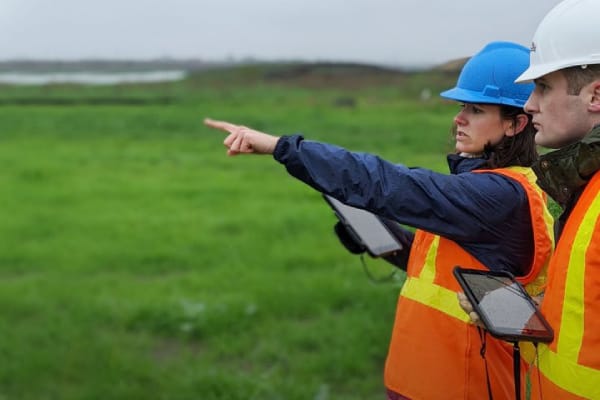
Commercial properties often occupy land with complex histories, including industrial or agricultural use. Soil contamination, groundwater pollution, and the presence of hazardous materials are just a few environmental risks that can affect development. Environmental consultants conduct thorough assessments to identify potential hazards, providing developers with the information needed to mitigate risks before construction begins. This proactive approach reduces the likelihood of project delays or costly remediation later.
Regulatory Compliance
Environmental regulations at the federal, state, and local levels can be complex and constantly evolving. Compliance with laws such as the Clean Water Act, Clean Air Act, and Resource Conservation and Recovery Act is essential for avoiding fines and legal challenges. Environmental consultants stay up-to-date on these regulations, guiding developers through permitting processes, reporting requirements, and environmental impact assessments. Ensuring compliance protects developers from legal liabilities and enhances the reputation of the project.
Phase I and Phase II Environmental Site Assessments
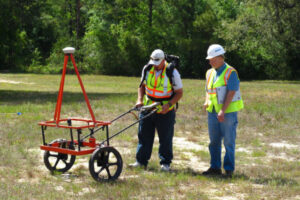
One of the most critical services environmental consultants provide is conducting Phase I and Phase II Environmental Site Assessments (ESAs). Phase I ESAs review historical records, site usage, and visual inspections to identify potential contamination risks. If concerns are identified, Phase II ESAs involve soil, water, and material testing to confirm contamination and determine the scope of remediation required. These assessments provide developers with a clear understanding of environmental conditions, informing design and planning decisions while reducing liability.
Sustainable Development Practices
Environmental consultants also advise developers on sustainable building practices that minimize environmental impact. This includes recommendations for energy efficiency, water conservation, and the use of eco-friendly materials. Incorporating sustainability into commercial developments not only reduces the environmental footprint but also attracts tenants and investors who prioritize green building standards. Sustainable practices can enhance property value and support long-term operational efficiency.
Risk Management and Liability Protection
Undiscovered environmental issues can lead to significant financial and legal consequences. Consultants help developers identify and mitigate risks associated with contamination, hazardous materials, and regulatory non-compliance. By providing detailed documentation and guidance on mitigation strategies, environmental consultants reduce the likelihood of lawsuits or penalties. Risk management through professional consultation ensures developers can proceed with confidence, knowing they have addressed potential liabilities proactively.
Site Remediation and Mitigation
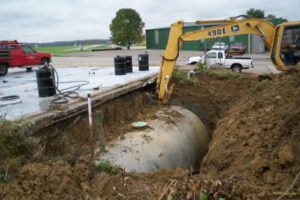
If contamination or environmental hazards are discovered, environmental consultants provide strategies for remediation and mitigation. This may involve soil treatment, groundwater cleanup, or the safe removal of hazardous materials. Consultants develop cost-effective and compliant plans to restore the site to a safe condition, allowing development to proceed without compromising health or environmental standards. Effective remediation protects both the community and the long-term value of the property.
Community and Stakeholder Engagement
Environmental consulting can also help developers navigate public concerns and stakeholder interests. Transparent reporting, environmental impact studies, and clear communication with local communities build trust and reduce opposition to projects. Consultants can assist in creating plans that address environmental concerns, enhancing public perception and fostering positive relationships with municipal authorities, neighbors, and investors.
Cost Savings and Project Efficiency
Engaging environmental consultants early in the development process can save time and money. Identifying environmental risks before construction begins prevents costly redesigns, remediation efforts, or regulatory fines. Consultants provide actionable insights that streamline project planning, reduce delays, and optimize resource allocation. By integrating environmental expertise from the outset, developers can maintain project budgets and timelines more effectively.
Enhancing Property Value and Marketability
Properties that have been assessed and cleared by environmental consultants carry greater market value. Buyers and tenants are more confident in sites with documented environmental safety and sustainability measures. Certifications for green building standards or compliance with environmental regulations can make a property more attractive, leading to higher occupancy rates and improved returns on investment. Professional environmental consultation demonstrates a commitment to safety, sustainability, and responsible development.
Long-Term Planning and Maintenance
Environmental consultants don’t just assist during the development phase—they provide guidance for long-term site management. Ongoing monitoring, maintenance of sustainable systems, and periodic assessments ensure that the property continues to meet regulatory standards and environmental best practices. Long-term planning reduces the likelihood of future issues and ensures that the property remains safe, compliant, and valuable over time.
Environmental consulting is a critical component of successful commercial property development. From risk assessment and regulatory compliance to sustainable building practices and community engagement, consultants provide the expertise needed to navigate complex environmental challenges. Developers who invest in environmental consultation not only protect their financial interests but also contribute to safer, more sustainable, and compliant development projects.
By partnering with experienced environmental consultants, commercial property developers can identify potential hazards early, mitigate risks, and ensure their projects are completed efficiently and responsibly. In today’s competitive real estate market, environmental consulting is more than a precaution—it is an essential step for protecting investments, the community, and the environment.