Whether you are managing a residential property, commercial site, or development project, environmental concerns can quickly become complex and highly regulated. Issues such as soil contamination, hazardous materials, water quality, and regulatory compliance often require specialized expertise. This is where an environmental consultant becomes essential. The right professional can help you identify risks, meet legal requirements, and guide you through remediation or permitting processes. Choosing the right consultant, however, requires careful evaluation to ensure you receive accurate guidance and reliable results.
Understand Your Specific Environmental Needs
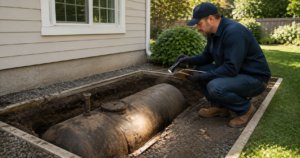
Before selecting an environmental consultant, it is important to clearly define your project needs. Some consultants specialize in site assessments for contamination, while others focus on compliance, wetlands, asbestos, mold, or lead-based hazards. Understanding whether you need a Phase I Environmental Site Assessment, remediation planning, or regulatory reporting will help narrow your search. A consultant with experience in your specific area of concern will provide more accurate recommendations and avoid unnecessary costs or delays.
Check Licensing, Certifications, and Credentials
Environmental consulting is a technical field that often requires professional certifications and state licensing. When evaluating consultants, verify that they hold appropriate credentials such as Professional Geologist (PG), Certified Environmental Professional (CEP), or other relevant environmental science qualifications. Additionally, ensure they are familiar with local and state regulations in your area. Credentials demonstrate that the consultant has met industry standards and is qualified to handle complex environmental evaluations.
Evaluate Industry Experience and Track Record
Experience plays a major role in the quality of environmental consulting services. A firm with a strong track record in handling projects similar to yours is more likely to anticipate challenges and provide effective solutions. Ask about past projects, particularly those involving properties or conditions comparable to your own. A seasoned consultant will be able to explain how they have resolved similar issues and what outcomes were achieved. This level of experience can significantly reduce project risk.
Assess Knowledge of Local and State Regulations
Environmental regulations vary widely by jurisdiction, and compliance requirements can be highly specific. A strong environmental consultant should have in-depth knowledge of local, state, and federal regulations that apply to your property. This includes understanding agencies such as the New Jersey Department of Environmental Protection (NJDEP) if your property is in that region. Consultants familiar with local requirements can help you avoid compliance issues and ensure that all necessary permits, reports, and filings are handled correctly.
Review Their Range of Services
Environmental consultants often offer a broad range of services, but not all firms provide the same level of expertise in every area. Some may focus on site assessments and reporting, while others specialize in remediation oversight or industrial compliance. When choosing a consultant, review their full list of services to ensure they align with your needs. A full-service firm may be beneficial if your project requires multiple phases, while a specialized consultant may be better suited for targeted issues.
Ask About Their Assessment Methods and Technology
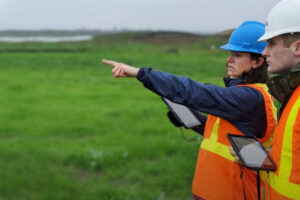
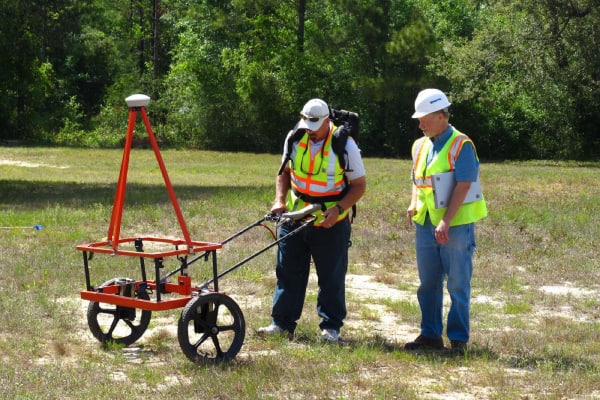
Modern environmental consulting often involves advanced tools and testing methods. These may include soil sampling, groundwater analysis, air quality monitoring, and geospatial mapping technologies. A reputable consultant should be transparent about the methods they use and explain how data will be collected and analyzed. The use of up-to-date technology often leads to more accurate results and more efficient project timelines. Understanding their approach helps you evaluate the reliability of their findings.
Evaluate Communication and Reporting Style
Clear communication is essential when working with an environmental consultant. Reports should be detailed yet easy to understand, especially if you are not familiar with technical environmental terminology. A good consultant will explain findings in plain language and provide actionable recommendations. They should also be responsive to questions and keep you informed throughout the project. Strong communication ensures that you fully understand risks, obligations, and next steps.
Compare Cost Estimates and Value
While cost is an important factor, it should not be the only consideration when choosing an environmental consultant. Low-cost services may lack depth or thoroughness, while higher-priced firms may offer more comprehensive analysis and expertise. Request detailed proposals from multiple consultants and compare what is included in each scope of work. Understanding the value behind the price helps you make a more informed decision that balances quality and affordability.
Check References and Client Reviews
One of the most effective ways to evaluate an environmental consultant is by reviewing client feedback and references. Ask for testimonials or case studies that demonstrate successful project outcomes. Online reviews can also provide insight into customer satisfaction, reliability, and professionalism. Speaking directly with past clients, when possible, can help you better understand how the consultant performs in real-world situations.
Consider Turnaround Time and Project Efficiency
Environmental projects are often time-sensitive, especially when tied to property transactions, construction deadlines, or regulatory compliance. Ask potential consultants about their expected turnaround times and ability to meet deadlines. While thorough analysis should never be rushed, an efficient workflow is important to avoid delays. A well-organized consultant will balance accuracy with timely delivery of reports and recommendations.
Ensure Transparency and Ethical Practices
Trust is essential in environmental consulting, as the results of assessments can significantly impact property value and legal compliance. A reputable consultant should be transparent about their findings, limitations of studies, and potential risks. Be cautious of any firm that guarantees specific outcomes without proper investigation. Ethical consultants prioritize accuracy and compliance over quick approvals or oversimplified conclusions.
Determine Long-Term Support Availability
Some environmental projects require ongoing monitoring, remediation follow-ups, or regulatory reporting over time. It is beneficial to choose a consultant who offers long-term support if needed. This ensures continuity throughout the project lifecycle and provides a reliable point of contact for future environmental concerns. Long-term partnerships can be especially valuable for property owners managing multiple sites or ongoing compliance obligations.
Choosing the right environmental consultant is a critical decision that can significantly impact the success, safety, and compliance of your property project. By carefully evaluating experience, credentials, regulatory knowledge, communication style, and overall value, you can select a professional who meets your specific needs. A qualified consultant not only helps you navigate complex environmental challenges but also ensures that your property remains compliant, safe, and properly managed. Taking the time to choose wisely will ultimately save time, reduce risk, and provide peace of mind throughout your project.