Lead safety has become an increasingly important concern for property owners in New Jersey, especially for those managing rental housing built before 1978. Exposure to lead-based paint and dust can pose serious health risks, particularly for young children and pregnant individuals. To address this issue, New Jersey has implemented lead-safe certification requirements that help ensure residential properties are properly inspected and maintained. Understanding these requirements is essential for landlords, property managers, and homeowners who want to stay compliant while providing safe living environments.
Understanding New Jersey Lead Safety Laws
New Jersey’s lead safety regulations are designed to reduce the risk of lead exposure in residential properties. Under current law, most rental properties built before 1978 must be inspected for lead-based paint hazards when tenants change or at regular intervals. Municipalities may require either lead inspections or participation in approved programs to confirm compliance. The goal of these regulations is to identify potential hazards early and ensure they are properly managed or remediated. Property owners who fail to comply may face penalties, fines, or restrictions on renting units.
Identifying Properties That Require Certification
Not all properties are subject to lead-safe certification requirements, so it is important to determine whether your property falls under the law. In general, rental properties constructed before 1978 are the primary focus, as lead-based paint was commonly used before it was banned for residential use. However, there are exemptions in some cases, such as properties that have already been certified as lead-free or those that have undergone recent lead inspections. Understanding whether your property qualifies helps ensure that you take the appropriate steps toward compliance.
Scheduling a Certified Lead Inspection
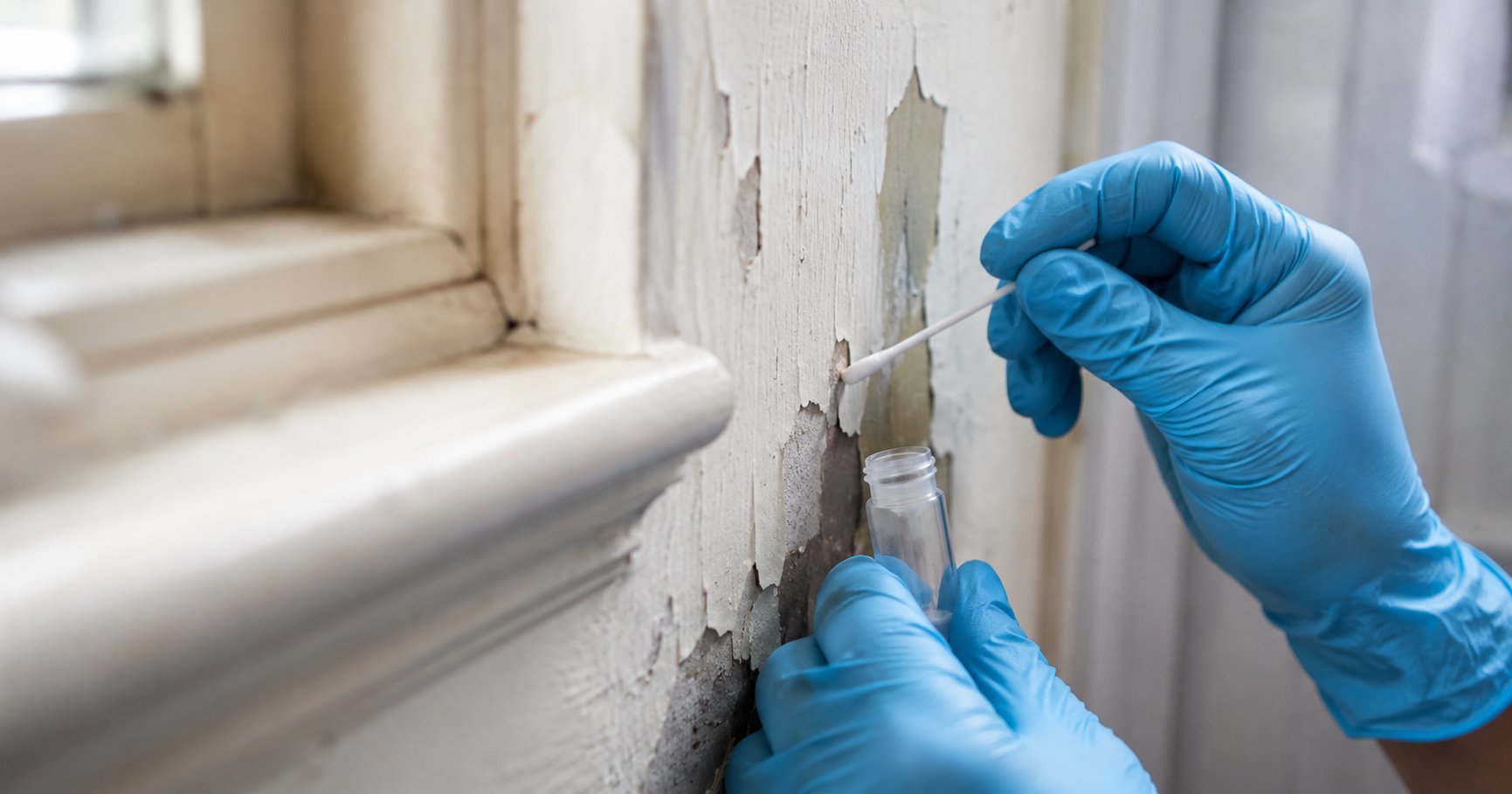
A key step in meeting New Jersey’s requirements is scheduling an inspection with a certified lead evaluation contractor. These professionals are trained to identify lead-based paint hazards using approved testing methods. The inspection typically includes a visual assessment of painted surfaces and may involve the use of specialized equipment to detect lead presence. If hazards are found, the inspector will provide documentation outlining necessary remediation steps. Choosing a licensed and certified inspector is essential to ensure that the results are valid for compliance purposes.
Addressing Lead-Based Paint Hazards
If lead hazards are identified during an inspection, property owners are responsible for taking corrective action. This may include stabilizing or removing deteriorating paint, replacing contaminated surfaces, or sealing affected areas. In some cases, professional abatement may be required to safely eliminate the hazard. It is important that all remediation work is completed in accordance with state and federal safety guidelines to prevent further exposure. Once repairs are finished, a follow-up inspection may be necessary to confirm that the property is now lead-safe.
Obtaining Lead-Safe Certification
After a property has been inspected and any necessary remediation has been completed, the next step is obtaining official lead-safe certification. This certification confirms that the property meets state safety standards and does not pose a known lead hazard to occupants. The certification is typically issued by the local municipality or certified inspector and must be kept on file by the property owner. In many cases, landlords are required to provide proof of certification to tenants or local authorities upon request.
Understanding Ongoing Compliance Requirements
Lead-safe certification is not a one-time requirement for many properties. New Jersey law often requires periodic re-inspections or recertification at set intervals, especially when new tenants move in. Property owners must stay aware of these timelines to ensure continued compliance. Maintaining proper documentation and scheduling inspections in advance can help prevent lapses in certification. Staying proactive with ongoing compliance reduces the risk of penalties and ensures continued tenant safety.
Maintaining Safe Property Conditions
Even after obtaining certification, property owners must continue to maintain safe living conditions. This includes monitoring painted surfaces for signs of deterioration, such as chipping or peeling paint, which can increase the risk of lead exposure. Regular maintenance and prompt repairs are essential to prevent hazards from developing over time. Educating tenants about reporting potential issues can also help ensure that problems are addressed quickly before they become serious concerns.
Working with Qualified Professionals
Because lead safety regulations are highly specific, working with qualified professionals is essential throughout the compliance process. Certified inspectors, contractors, and abatement specialists understand the legal requirements and safety standards involved in lead hazard management. Hiring experienced professionals ensures that inspections are conducted correctly, remediation is properly completed, and certification is accurately issued. This reduces the risk of errors that could lead to compliance issues or safety concerns.
Understanding Legal and Financial Responsibilities
Property owners in New Jersey have both legal and financial responsibilities when it comes to lead-safe compliance. Failure to meet certification requirements can result in fines, legal action, or restrictions on renting units. In some cases, landlords may also be held liable for tenant health issues related to lead exposure. While the cost of inspections and remediation may vary, investing in compliance is significantly less expensive than dealing with potential legal or health-related consequences. Understanding these responsibilities helps property owners make informed decisions about maintenance and safety.
Protecting Tenant Health and Safety
The primary purpose of lead-safe certification is to protect the health and well-being of tenants. Lead exposure can cause serious health issues, including developmental delays in children, neurological damage, and other long-term complications. By ensuring that properties are properly inspected and maintained, landlords contribute to safer housing conditions and healthier communities. Providing safe living environments also strengthens trust between property owners and tenants, improving overall rental relationships.
Staying Informed About Regulatory Updates
Lead safety regulations can change over time as new public health information becomes available. Property owners should stay informed about updates to New Jersey’s requirements to ensure ongoing compliance. This may include changes to inspection schedules, certification procedures, or exemption criteria. Working with local housing authorities or professional property management services can help ensure that you remain up to date with current regulations.
Ensuring your property meets New Jersey lead-safe certification requirements is an essential responsibility for landlords and property owners managing older residential buildings. From scheduling certified inspections and addressing hazards to maintaining compliance and protecting tenant health, each step plays a critical role in creating a safe living environment. By staying proactive, working with qualified professionals, and keeping up with regulatory updates, property owners can meet legal requirements while contributing to healthier, safer communities across the state.