
When purchasing or developing commercial property, understanding potential environmental concerns is a critical part of protecting your investment. A property may appear safe and ready for development, but hidden environmental issues from past uses, nearby activities, or improper disposal practices can create significant financial and legal challenges. A Phase I Environmental Site Assessment (ESA) helps identify potential risks before a transaction is completed, allowing buyers, lenders, and developers to make informed decisions. By uncovering possible environmental concerns early, a Phase I ESA provides valuable insight and helps prevent unexpected costs associated with contamination, cleanup, and regulatory compliance.
What Is a Phase I Environmental Site Assessment?
A Phase I Environmental Site Assessment is a detailed investigation designed to evaluate whether a property may have existing or potential environmental concerns. The assessment typically focuses on identifying recognized environmental conditions, such as possible contamination from hazardous substances or petroleum products. Unlike a physical inspection that focuses on visible building conditions, a Phase I ESA examines historical records, current property use, surrounding land uses, and regulatory information to identify potential risks.
Why Phase I ESAs Are Important for Property Buyers
Purchasing real estate without understanding environmental risks can expose buyers to unexpected liabilities. If contamination is discovered after closing, the new owner may become responsible for costly cleanup efforts, even if they did not cause the problem. A Phase I ESA provides buyers with important information before finalizing a transaction, helping them understand the property’s environmental history and make decisions with greater confidence.
Protecting Against Unexpected Cleanup Costs
Environmental contamination can be extremely expensive to address, especially when issues remain undiscovered for years. Soil contamination, groundwater pollution, or improper handling of hazardous materials may require extensive remediation efforts. By identifying potential concerns before purchasing a property, a Phase I ESA allows buyers to estimate possible expenses, negotiate terms, or reconsider a transaction before committing significant financial resources.
Supporting the Due Diligence Process
A Phase I ESA is an essential component of commercial real estate due diligence. Investors, developers, and lenders rely on environmental assessments to better understand the condition and potential risks associated with a property. Completing this evaluation demonstrates responsible decision-making and ensures that environmental factors are considered alongside financial, legal, and structural evaluations during the purchasing process.
Helping Maintain Liability Protections
In many cases, completing a Phase I ESA can help property owners qualify for certain liability protections under environmental regulations. Conducting appropriate due diligence before acquisition demonstrates that the buyer took reasonable steps to identify potential contamination risks. While requirements vary depending on the situation and applicable regulations, an environmental assessment can be an important part of reducing future liability exposure.
Reviewing Historical Property Information
One of the most important parts of a Phase I ESA involves researching the history of the property. Environmental professionals review historical documents, maps, permits, aerial photographs, and other records to determine how the site was previously used. Past operations, such as industrial activities, manufacturing, fuel storage, or waste disposal, may indicate potential environmental concerns that are not visible during a current property inspection.
Evaluating Current Site Conditions
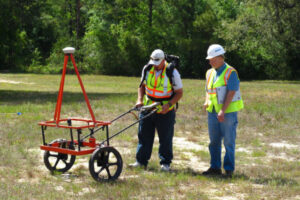
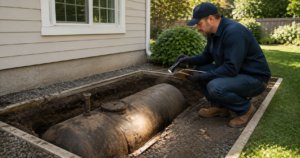
A Phase I ESA also includes a review of current conditions at the property and surrounding areas. Environmental professionals look for indicators such as chemical storage areas, underground storage tanks, drainage concerns, unusual odors, stained surfaces, or evidence of improper waste handling. These observations help determine whether additional investigation may be needed.
Examining Surrounding Properties
Environmental risks are not always limited to the property being evaluated. Nearby businesses, former industrial sites, gas stations, dry cleaners, or other facilities may create potential concerns if contamination has migrated through soil or groundwater. A Phase I ESA considers surrounding land uses to identify possible external sources of environmental risk that could affect the property.
Understanding the ESA Process
A typical Phase I ESA involves several key steps, including reviewing historical records, conducting a site visit, interviewing knowledgeable parties, and evaluating regulatory databases. After gathering this information, an environmental professional prepares a report summarizing findings and identifying any recognized environmental conditions. The final report helps stakeholders understand the property’s environmental status and determine whether additional assessments are necessary.
Knowing When Additional Testing May Be Needed
A Phase I ESA does not include physical sampling of soil, water, or building materials. If potential concerns are identified, additional investigation may be recommended. A Phase II Environmental Site Assessment may involve collecting samples and performing laboratory testing to confirm whether contamination exists. Identifying concerns early allows property owners to address issues before they become larger problems.
Benefits for Lenders and Investors
Financial institutions and investors often require environmental assessments before providing funding for commercial real estate projects. A Phase I ESA helps lenders evaluate potential risks that could affect the property’s value or future profitability. By identifying environmental concerns before financing decisions are made, lenders can better protect their investments and ensure responsible lending practices.
Protecting Long-Term Property Value
Environmental issues can negatively affect a property’s marketability, usability, and overall value. Completing a Phase I ESA helps protect long-term investment goals by providing a clearer understanding of potential challenges. Addressing environmental concerns proactively can improve future development opportunities, reduce delays, and help maintain confidence among owners, investors, and buyers.
Work with Qualified Environmental Professionals
The accuracy and reliability of a Phase I ESA depend heavily on the experience and qualifications of the environmental professional conducting the assessment. Working with knowledgeable experts ensures that research, inspections, and reporting are completed according to industry standards. A thorough assessment provides more reliable information and helps property stakeholders make better decisions.
Make Informed Real Estate Decisions
A Phase I Environmental Site Assessment is an important investment in protecting commercial real estate purchases and development projects. By identifying hidden environmental risks before they become costly problems, property buyers and investors can reduce uncertainty, manage liability, and protect their financial interests. Whether acquiring a new property, refinancing an existing asset, or planning future development, a Phase I ESA provides the critical information needed to move forward with confidence and protect the long-term value of the investment.