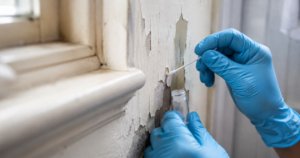
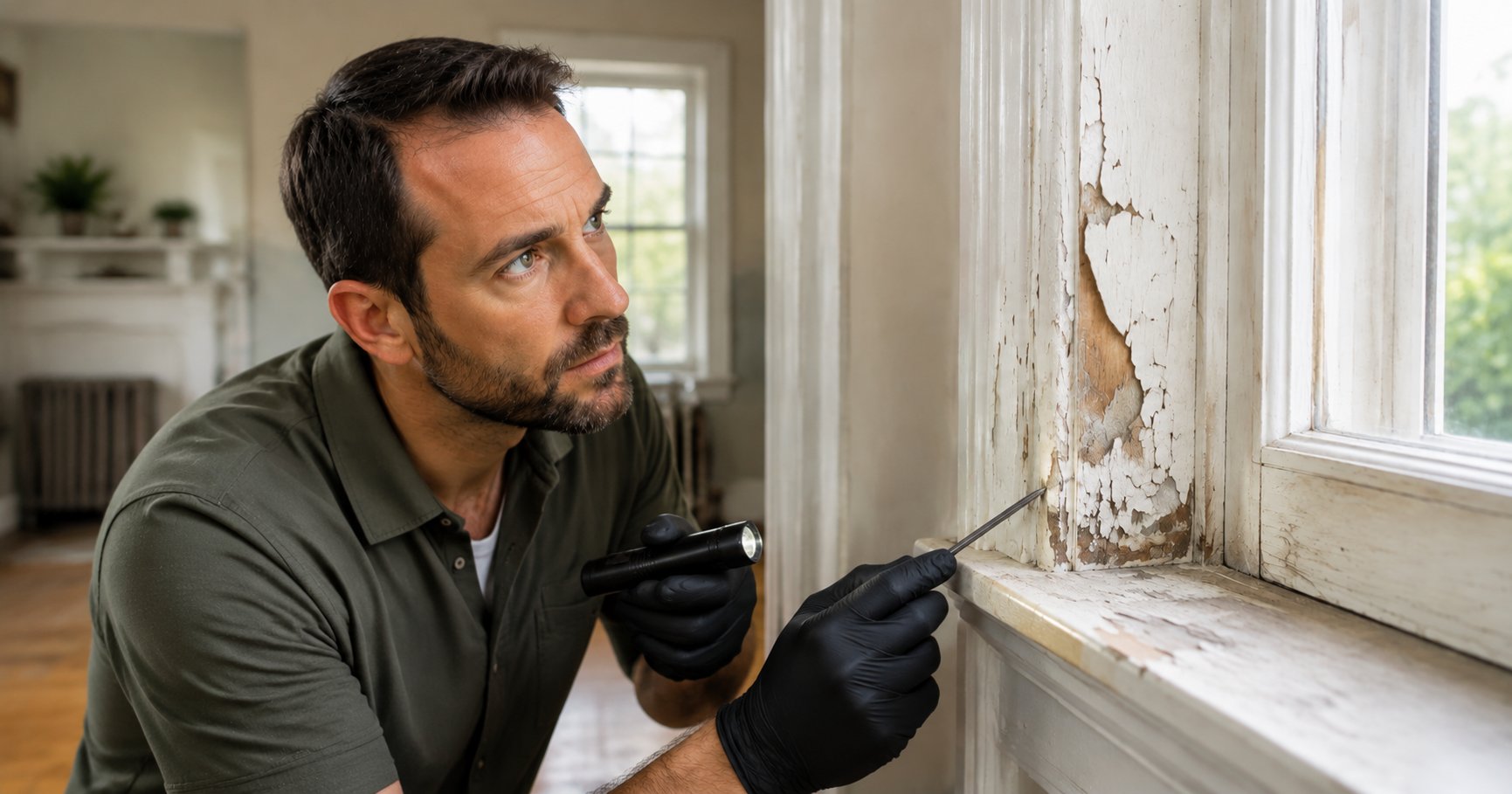
Lead-based paint can be a hidden risk in older homes, especially in properties built before modern paint safety rules were put in place. While painted walls, trim, doors, windows, and porches may look harmless, lead paint can become dangerous when it chips, peels, creates dust, or is disturbed during renovations. Scheduling a lead-based paint inspection can help you understand what is in your home, protect your family, and make safer decisions before repairs or remodeling begin.
Protect Children From Lead Exposure
Children are especially vulnerable to lead exposure because their bodies are still developing and they often touch floors, windowsills, toys, and painted surfaces. Lead dust or paint chips can be swallowed or inhaled without anyone realizing it. A lead-based paint inspection can identify areas of concern so you can take steps to reduce exposure and create a safer home environment.
Know What Is Behind Older Paint Layers
Older homes often have many layers of paint, and lead-based paint may be buried underneath newer coatings. Even if the top layer looks clean and intact, sanding, scraping, drilling, or replacing windows and doors can disturb older paint below the surface. An inspection helps determine whether lead is present before you begin work that could spread dust through the home.
Prepare Safely for Renovations
Renovations are one of the most common times lead hazards are created. Projects like kitchen remodels, bathroom updates, window replacement, siding work, flooring changes, and wall repairs can release lead dust if old paint is disturbed. A lead-based paint inspection gives contractors and homeowners the information needed to plan safer work methods and avoid unnecessary contamination.
Support a Safer Home Purchase
If you are buying an older home, a lead-based paint inspection can provide important information before closing. Sellers of many pre-1978 homes must provide known lead-based paint disclosures, but they may not know whether lead is actually present. An inspection can help you make a more informed decision, negotiate repairs, or plan future maintenance with fewer surprises.
Help Protect Pregnant Women and Babies
Lead exposure can be especially concerning for pregnant women, infants, and young children. Even small amounts of lead dust in the home can create health risks over time. If your household includes a baby, young child, or someone who is pregnant, testing older painted surfaces can be a smart step toward reducing hidden hazards.
Identify High-Risk Areas
Lead-based paint is most concerning in areas where painted surfaces rub, chip, peel, or create dust. Common trouble spots include windows, doors, trim, stair railings, baseboards, porches, siding, and painted floors. A professional inspection can help locate these areas and show where repairs, encapsulation, cleaning, or removal may be needed.
Avoid Spreading Lead Dust
Many homeowners try to fix peeling paint or old surfaces without realizing they may be creating a bigger problem. Dry sanding, scraping, power washing, or demolition can spread lead dust throughout rooms, HVAC systems, soil, and outdoor spaces. Knowing whether lead paint is present helps you avoid unsafe methods and choose proper containment and cleanup.
Meet Rental Property Responsibilities
Landlords and property managers may have important responsibilities when renting homes built before 1978. Lead-based paint disclosures, safe maintenance practices, and proper response to deteriorating paint can all matter for tenant safety and legal compliance. An inspection can help rental property owners understand potential hazards and manage older properties more responsibly.
Reduce Liability and Compliance Risks
Ignoring possible lead-based paint hazards can create legal, financial, and health-related problems. If lead hazards are discovered after a sale, renovation, tenant complaint, or child exposure concern, property owners may face costly remediation and liability issues. A professional inspection provides documentation that can help guide decisions and show that risks were taken seriously.
Protect Your Home During Repairs
Even small repairs can disturb painted surfaces. Replacing a door, fixing trim, patching drywall, repairing siding, or installing new windows can create dust if lead-based paint is present. Scheduling an inspection before repairs helps you protect the rest of the home and avoid turning a small project into a larger cleanup.
Plan the Right Remediation Strategy
Finding lead-based paint does not always mean every painted surface must be removed. Depending on the condition and location of the paint, options may include monitoring, professional cleaning, encapsulation, enclosure, repair, or certified removal. An inspection helps you understand the scope of the issue so you can choose the safest and most practical solution.
Create Peace of Mind
One of the biggest benefits of a lead-based paint inspection is clarity. Instead of guessing whether your home has lead paint, you can get professional answers and decide what to do next. This peace of mind is especially valuable before buying, selling, renovating, renting, or raising children in an older home.
Make Your Older Home Safer With the Right Inspection
Scheduling a lead-based paint inspection for your home is a smart way to protect your family, plan safer renovations, and understand the condition of older painted surfaces. Whether you own, rent, buy, sell, or manage a pre-1978 property, knowing whether lead is present can help you avoid health risks, compliance problems, and costly mistakes. With professional testing and the right follow-up plan, you can make your home safer while preserving the comfort and value of the property.