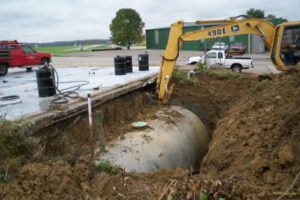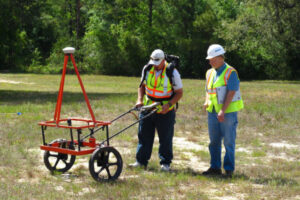
Excavating on your property can be exciting, whether you’re installing a new garden, building a patio, or undertaking major construction. However, digging without knowing what lies beneath the surface can be dangerous. Underground pipes and cables carry electricity, water, gas, and communication lines, and hitting them can lead to costly damage, service interruptions, or even serious injuries. Properly locating these utilities before you start digging is essential for safety, compliance, and peace of mind.
Understanding the Risks of Underground Utilities
Buried utilities are often hidden just a few inches below the surface, making them difficult to detect without specialized equipment. Hitting an electrical cable or gas line can cause fires, explosions, or electrocution, while damaging water or sewer pipes can result in flooding, property damage, and expensive repairs. Even non-hazardous utilities like phone or internet lines can disrupt essential services. Understanding these risks highlights the importance of taking the necessary precautions before any excavation work begins.
Using a Pipe and Cable Locator
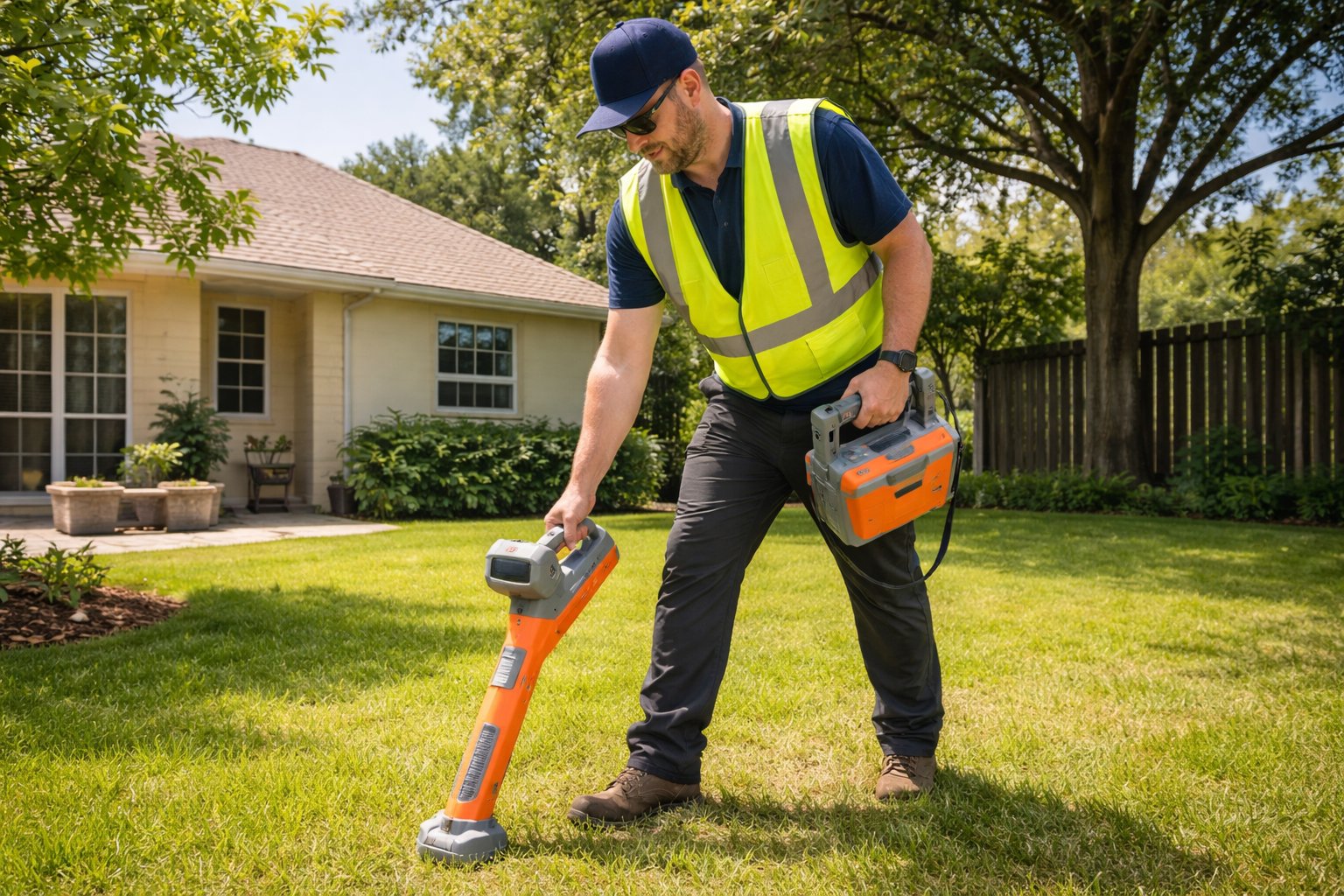
A pipe and cable locator is a specialized tool designed to detect underground utilities safely and accurately. These devices use electromagnetic signals or radio frequency technology to trace the path of metallic pipes and cables. Some models can even detect non-metallic pipes if tracer wires or conductive fluids are present. Using a locator helps you map out your property and identify potential hazards, preventing accidental strikes and ensuring a safe excavation process.
Professional Utility Locating Services
While some property owners may attempt to locate utilities themselves, hiring a professional utility locating service is the safest option. Certified technicians have the training, experience, and equipment to detect all types of underground utilities accurately. They can provide detailed maps of your property’s underground infrastructure and mark exact locations, minimizing the risk of damaging pipes or cables. Professional services also help ensure compliance with local regulations regarding excavation near utilities.
Calling 811 Before You Dig
In the United States, the federal “Call Before You Dig” program provides a free service to identify underground utilities on your property. By dialing 811, you notify local utility companies of your planned excavation, and they will mark the locations of their lines for you. This is a legal requirement in many areas and a simple, effective way to prevent accidents. Waiting for the markings before beginning any digging ensures that all underground lines are visible and accounted for.
Mapping and Marking Your Property
Once underground utilities have been located, it’s important to mark them clearly before starting work. Color-coded flags, paint, or stakes indicate the type and path of each line, helping you plan your excavation safely. Red typically indicates electrical lines, yellow for gas or oil, blue for water, orange for communications, and green for sewer lines. Accurate mapping and marking reduce the risk of accidental damage and keep your project organized.
Using Safe Digging Techniques
Even after utilities have been located, it’s important to follow safe digging practices. Mechanical digging with heavy equipment should be avoided near marked utility lines. Instead, hand digging or using non-invasive tools in these areas reduces the risk of striking a pipe or cable. Always maintain a safe distance from the markings and follow local guidelines for excavation near utilities. Safe digging practices complement the use of locators and professional services to ensure a hazard-free project.
Documenting the Findings
Keeping a record of located utilities is beneficial for future projects and maintenance. Create a property map showing the locations of all marked pipes and cables, including the date and method of detection. This documentation can prevent accidental strikes in future landscaping, renovations, or construction work and serves as a reference for contractors working on your property. Proper documentation supports safety and helps protect your investment.
Regular Maintenance and Updates
Underground utility locations may change over time due to new installations or repairs by utility companies. If you plan to dig again in the future, it’s important to verify and update the utility map before starting. Repeating the utility locating process ensures that your property remains safe and that you’re aware of any new hazards. Regular updates reduce risks and maintain compliance with local regulations.
Training and Awareness
Homeowners and property managers should educate themselves and their teams on the basics of underground utility safety. Understanding warning signs, color codes, and proper excavation practices can prevent accidents and injuries. Even small landscaping projects can become dangerous without proper awareness. Investing in knowledge alongside equipment and professional services creates a comprehensive safety approach.
Legal and Financial Considerations
Damaging underground utilities can have legal and financial consequences. Utility companies may charge for repairs, and homeowners may face fines or liability if negligence leads to injury or service disruption. By taking the time to locate and mark utilities properly, you mitigate these risks. Safe excavation is not only a health and safety concern but also a financial responsibility.
Excavating without identifying underground pipes and cables is risky and potentially costly. Using pipe and cable locators, hiring professional services, calling 811, and following safe digging practices all work together to prevent accidents. Proper marking, documentation, and awareness further enhance safety and protect your property.
By taking these precautions, you ensure a smooth, safe excavation project while safeguarding your family, property, and investment. Whether you are installing a new feature, upgrading your landscape, or completing construction work, knowing the location of underground utilities is an essential first step. Prioritize safety and take the necessary measures before breaking ground.