Lead-based paint, once a common feature in homes and buildings, can pose serious health risks, particularly to children and pregnant individuals. Despite its long-standing use, lead exposure has been linked to developmental delays, neurological issues, and other serious health problems. For property owners and renters, ensuring that your home is free from hazardous lead paint is essential. A lead-based paint inspection provides the necessary insight to protect both your property and your family’s well-being.
What is a Lead-Based Paint Inspection?
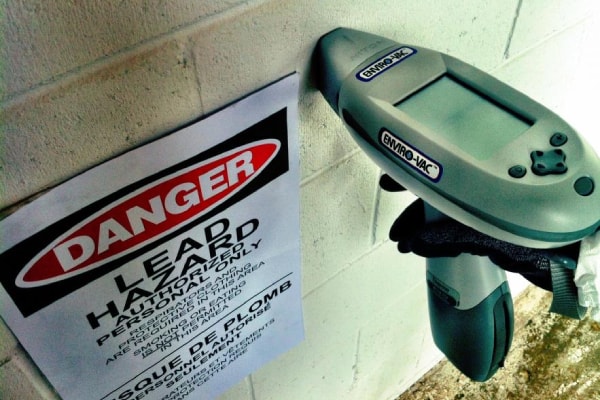
A lead-based paint inspection is a professional assessment designed to identify the presence of lead in painted surfaces throughout a property. Certified inspectors use specialized tools and techniques, such as X-ray fluorescence (XRF) analyzers and laboratory testing of paint samples, to determine whether lead is present. Unlike a general visual inspection, this process can pinpoint specific areas that may pose a hazard, enabling property owners to take informed action to mitigate risk.
Health Risks of Lead Exposure
Lead exposure can cause a range of health problems, especially for young children, who are more susceptible to the effects of this toxic substance. Ingesting or inhaling lead dust or chips can lead to developmental delays, learning difficulties, irritability, and attention deficits. Adults may experience high blood pressure, kidney damage, reproductive issues, and other chronic health problems. By identifying lead-based paint early, homeowners and renters can take steps to prevent exposure and protect the health of their families.
Why Inspections Are Crucial for Older Homes
Homes built before 1978 are particularly likely to contain lead-based paint, as its use was not banned in residential properties until that year. Aging paint can chip, peel, or produce dust, all of which increase the risk of lead exposure. Conducting a thorough inspection in older properties is critical to identify potential hazards, especially in areas like window sills, door frames, staircases, and trim. Awareness of lead presence allows homeowners to plan safe renovations and maintain a healthy living environment.
The Inspection Process
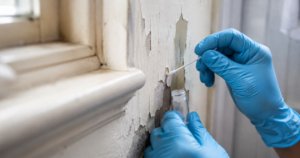
Lead-based paint inspections are carried out by certified professionals following strict protocols. The process typically begins with a visual assessment to identify areas where paint may be deteriorating or producing dust. Inspectors then use XRF analyzers or collect paint samples for laboratory testing. Results detail the location and concentration of lead in the property, providing a clear picture of risk areas. Based on these findings, property owners can make informed decisions about remediation or containment.
Regulations and Legal Requirements
Lead-based paint inspections are not just about health—they also ensure compliance with federal and state regulations. The Environmental Protection Agency (EPA) and the Department of Housing and Urban Development (HUD) require lead disclosures and inspections in certain circumstances, such as when selling or renting properties built before 1978. Complying with these rules protects property owners from legal liabilities while ensuring tenants and buyers are aware of potential hazards.
Lead Abatement and Risk Mitigation
When lead-based paint is detected, property owners have several options for mitigating risk. Lead abatement involves the safe removal or encapsulation of leaded surfaces by trained professionals. Alternatively, risk-reduction strategies such as covering lead paint with specialized coatings or regularly cleaning dust-prone areas can reduce exposure. A lead-based paint inspection guides these efforts, ensuring that interventions are targeted and effective.
Protecting Children and Vulnerable Populations
Children under six, pregnant individuals, and people with compromised immune systems are particularly vulnerable to lead exposure. Lead dust or chips can be ingested through hand-to-mouth contact, inhalation, or household contamination. Regular inspections and proactive mitigation measures are essential to protect these populations. Ensuring a safe environment helps prevent lifelong health complications and supports a healthy, thriving household.
Preparing for Renovations and Home Improvements
Home renovations can inadvertently release lead particles if not managed carefully. A lead-based paint inspection prior to remodeling provides critical information about potential hazards. Certified professionals can recommend safe work practices, containment procedures, and appropriate removal techniques. This not only protects your family but also ensures contractors adhere to safety regulations, preventing accidental exposure during the renovation process.
Peace of Mind for Homeowners and Renters
Investing in a lead-based paint inspection provides peace of mind, allowing homeowners and renters to feel confident in the safety of their property. Knowing that a certified professional has thoroughly assessed and identified potential risks enables property owners to make informed decisions, protect their family’s health, and comply with legal requirements. The cost of an inspection is minimal compared to the potential consequences of lead exposure, making it a wise and responsible choice.
Long-Term Benefits of Inspections
Beyond immediate safety, lead-based paint inspections offer long-term benefits for property value and marketability. Homes that have been inspected and, if necessary, remediated are more attractive to buyers and tenants, demonstrating a commitment to health and safety. Inspections also help prevent future legal and medical issues, making them an essential component of responsible property management.
Lead-based paint inspections are a vital step in maintaining a safe and healthy home environment. By identifying the presence of lead, understanding associated risks, and implementing proper mitigation strategies, property owners and renters can safeguard their families from serious health hazards. These inspections also ensure regulatory compliance, protect investments, and provide peace of mind for homeowners.
Prioritizing a lead-based paint inspection is a proactive approach to responsible property ownership. Whether you are buying, renting, or renovating, understanding the lead risks in your home allows you to take the necessary steps to protect your loved ones and ensure a safe, healthy living environment.