Creating a safe and healthy living environment is one of the most important responsibilities of property owners and landlords. In New Jersey, Residential Rental Lead-Safe Certification plays a critical role in protecting tenants from the dangers of lead exposure, particularly in older homes and rental properties built before lead-based paint regulations were introduced. Lead hazards can pose serious health risks, especially for young children and pregnant women, making regular inspections and certifications essential for public safety. By requiring landlords to comply with lead-safe standards, New Jersey helps ensure rental properties are safer, healthier, and better maintained for residents across the state.
Understanding the Risks of Lead Exposure
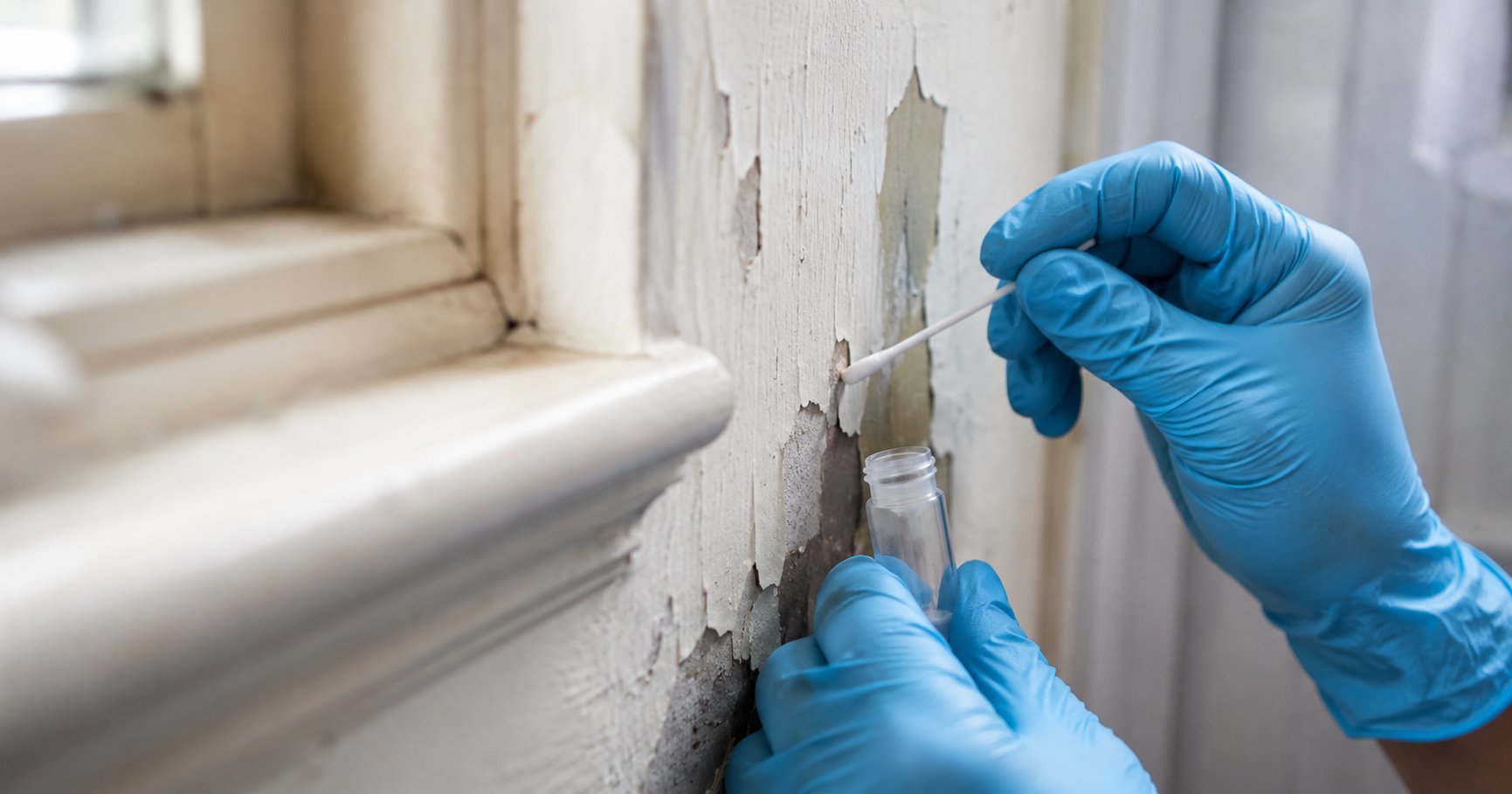
Lead exposure is a serious health concern that can affect people of all ages, but children are especially vulnerable. In older homes, deteriorating lead-based paint is one of the most common sources of exposure. When paint chips, peels, or turns into dust, it can easily be inhaled or ingested. Even small amounts of lead can lead to developmental delays, learning difficulties, behavioral issues, and other long-term health problems. Adults exposed to lead may also experience health complications, including high blood pressure and neurological issues. Because many older rental properties still contain lead-based materials, inspections and certifications are necessary to reduce these risks.
What NJ Residential Rental Lead-Safe Certification Means
New Jersey’s Residential Rental Lead-Safe Certification program requires certain rental properties to undergo inspections for lead hazards. These inspections are designed to identify deteriorated paint or unsafe conditions that could expose tenants to lead contamination. If no hazards are found, the property receives a lead-safe certification confirming that it meets the required safety standards. If hazards are discovered, landlords are required to address the issues through proper remediation before the property can pass inspection. This process helps ensure that rental units are maintained in a way that prioritizes tenant health and safety.
Protecting Children and Families
One of the most important benefits of lead-safe certification is the protection it provides for families with young children. Children are at the highest risk for lead poisoning because their developing bodies absorb lead more easily than adults. Exposure during early childhood can impact brain development and create lifelong learning or behavioral challenges. By requiring inspections in rental housing, New Jersey helps reduce the chances of children living in environments with hidden lead hazards. This proactive approach gives parents greater confidence that their homes are safer places for their families.
Encouraging Better Property Maintenance
Lead-safe certification also encourages landlords to maintain their properties more responsibly. During inspections, deteriorating paint, damaged surfaces, and other maintenance issues are often identified before they become larger problems. Addressing these concerns not only helps prevent lead exposure but also improves the overall condition of the property. Well-maintained rental homes are safer, more comfortable, and more appealing to tenants. The certification process creates accountability for property owners while promoting higher standards across the rental housing market.
Supporting Long-Term Public Health Goals
Lead-safe certification contributes to broader public health efforts by reducing lead exposure throughout communities. Lead poisoning can create long-term educational, medical, and economic challenges that affect both individuals and society as a whole. Preventing exposure before it occurs is far more effective than treating its effects later. By requiring inspections and remediation, New Jersey helps lower the number of lead-related health cases and supports healthier living environments statewide. These preventive measures ultimately benefit schools, healthcare systems, and local communities.
Increasing Tenant Awareness and Confidence
Many tenants are unaware of the potential lead hazards that may exist in older rental properties. Lead-safe certification provides reassurance that a property has been evaluated for safety risks and meets state requirements. This transparency helps tenants make more informed decisions when choosing a place to live. It also strengthens trust between landlords and renters by demonstrating a commitment to tenant well-being. Knowing that a property has been inspected and certified can provide peace of mind for families concerned about health and safety.
Reducing Legal and Financial Risks for Landlords
For landlords, complying with lead-safe certification requirements can help reduce legal and financial liabilities. Failing to address lead hazards can result in costly lawsuits, fines, or penalties if tenants become exposed to unsafe conditions. Proactively maintaining lead-safe properties helps landlords avoid these risks while protecting the long-term value of their investments. In addition, certified properties may be more attractive to tenants who prioritize health and safety, helping landlords maintain occupancy and strengthen their reputation as responsible property owners.
Promoting Safer Housing Across New Jersey
The Residential Rental Lead-Safe Certification program plays an important role in improving housing quality throughout New Jersey. Older housing stock is common across many communities, making lead safety a widespread concern. Through regular inspections and remediation requirements, the program helps ensure that rental properties remain safe for current and future tenants. This statewide effort promotes healthier neighborhoods and encourages consistent housing standards that benefit everyone involved in the rental market.
Building Healthier Communities Through Prevention
NJ Residential Rental Lead-Safe Certification is more than just a legal requirement—it is an important step toward creating healthier and safer living environments for residents across the state. By identifying and addressing lead hazards before they cause harm, the program protects children, supports public health, and encourages better property maintenance. For landlords, it promotes responsible ownership and reduces long-term liability risks. For tenants, it provides reassurance and peace of mind. Through proactive prevention and accountability, lead-safe certification helps build stronger, safer communities for New Jersey families.