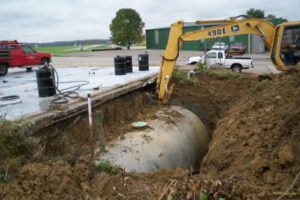
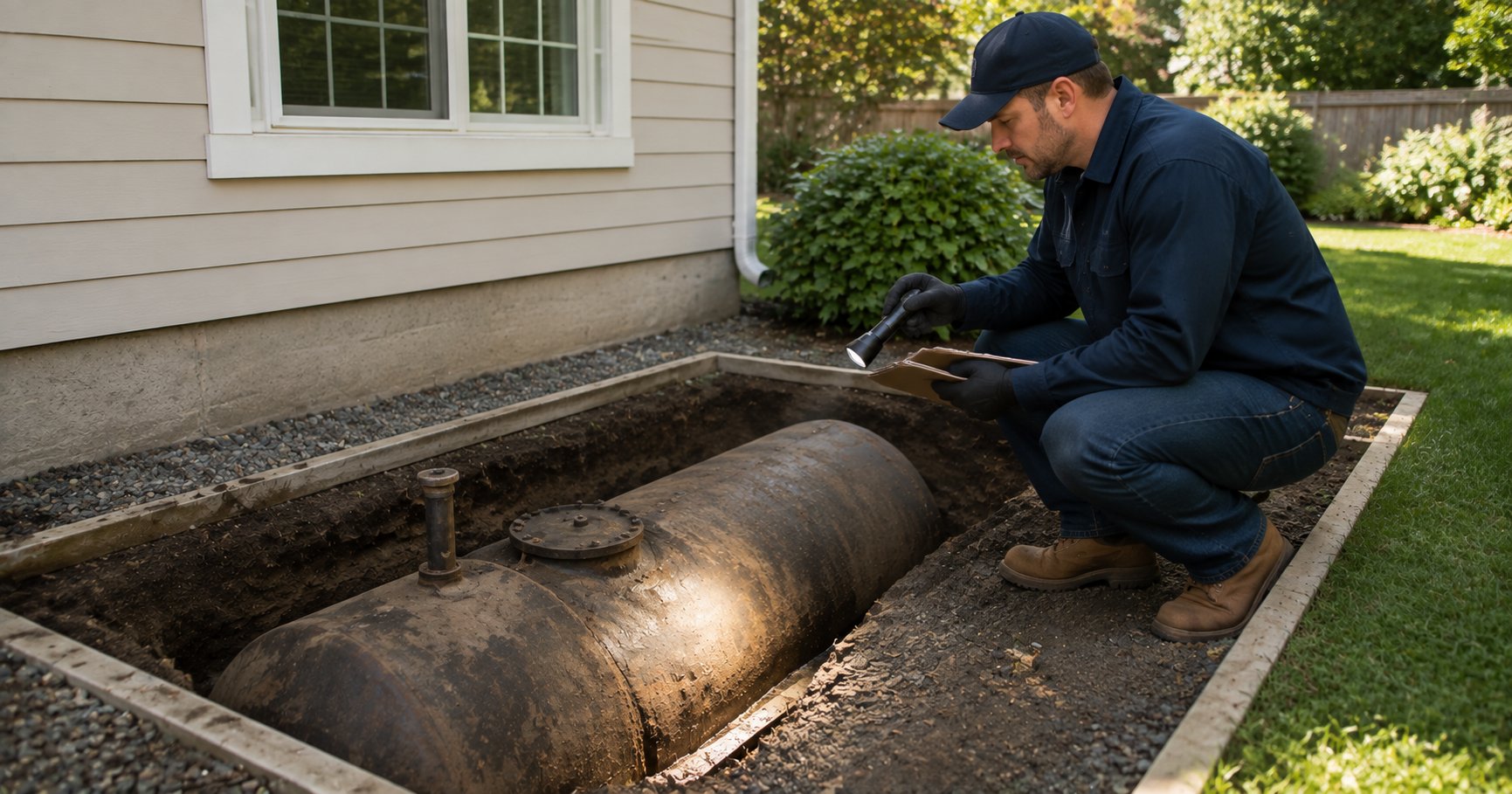
Underground storage tanks can be easy to forget because they are hidden below the surface, but they can create serious problems for property owners. These tanks were often used to store heating oil, fuel, chemicals, or other liquids, especially on older residential, commercial, and industrial properties. If a tank is damaged, abandoned, or leaking, it can affect soil, groundwater, property value, insurance, and future real estate transactions.
What Is an Underground Storage Tank?
An underground storage tank, often called a UST, is a tank and connected piping system installed below ground to store liquid substances. Many older properties used underground tanks for heating oil before switching to natural gas, electric heat, or aboveground systems. Some tanks are still active, while others may have been abandoned without proper removal or documentation.
Why Underground Storage Tanks Are a Concern
The biggest concern with underground storage tanks is the risk of leaks. Over time, tanks can corrode, crack, shift, or fail, especially if they are made of older steel or were installed decades ago. When a tank leaks, the contents can spread into surrounding soil and groundwater, creating environmental and financial issues for the property owner.
Soil and Groundwater Contamination
A leaking underground storage tank can release fuel, oil, or chemicals into the ground. Once contamination spreads, cleanup can become complicated and expensive. Soil may need to be tested, excavated, treated, or removed, and groundwater impacts may require additional investigation and remediation.
Health and Safety Risks
Leaking tanks can create health and safety concerns depending on what was stored inside. Vapors from petroleum products or chemicals may enter nearby structures, basements, utility areas, or crawl spaces. In some cases, contamination can also affect drinking water wells, landscaping, gardens, or nearby properties.
Property Value Problems
An underground storage tank can affect property value, especially if there is no clear record showing it was properly closed, removed, or tested. Buyers may see an unknown or leaking tank as a major risk and request inspections, price reductions, repairs, or cleanup before closing. Even if the tank is not leaking, uncertainty alone can make a property harder to sell.
Insurance Challenges
Insurance coverage for underground storage tanks can be complicated. Some policies may exclude pollution, environmental cleanup, or damage related to old tanks. Property owners should review their insurance carefully and ask specific questions about tank-related risks before assuming cleanup or liability costs will be covered.
Legal and Environmental Liability
Property owners may be responsible for contamination caused by underground storage tanks, even if the tank was installed by a previous owner. Local, state, and federal rules may require reporting, testing, removal, or cleanup if a leak is discovered. Ignoring a suspected tank problem can make liability worse and may lead to fines or enforcement action.
Warning Signs of a Possible Tank Leak
Some tank leaks are discovered only through professional testing, but there may be warning signs. Unexplained fuel loss, oil odors, stained soil, dead grass, sheen on standing water, basement smells, or problems with nearby wells can all point to a possible issue. If you notice these signs, it is important to contact a qualified environmental professional instead of disturbing the area yourself.
Finding Out if a Tank Exists
If you own an older property, you may not know whether an underground storage tank is present. Clues can include old fill pipes, vent pipes, patched basement lines, historic heating records, property disclosures, or unusual depressions in the yard. A professional tank scan using tools like ground-penetrating radar or metal detection can help locate hidden tanks before a sale, renovation, or landscaping project.
Tank Testing and Inspection
Testing can help determine whether an underground storage tank is leaking or has affected the surrounding soil. Professionals may inspect the tank, test the contents, sample soil, or evaluate nearby environmental conditions. This information helps property owners understand the level of risk and decide whether removal, closure, or remediation is needed.
Removal and Proper Closure
If a tank is no longer in use, proper closure is important. Depending on local regulations, this may involve removing the tank, cleaning it, filling it in place, sampling surrounding soil, and documenting the work. Proper closure records can protect the property owner and make future sales, refinancing, or insurance discussions much easier.
Why Professional Help Matters
Underground storage tanks should not be handled as a DIY project. Removing or opening a tank can create fire, vapor, soil contamination, and safety risks if it is not done correctly. Licensed environmental contractors understand the proper procedures, permits, testing requirements, disposal methods, and documentation needed to handle tanks safely.
Protect Your Property Before Problems Grow
Understanding the risks of underground storage tanks on your property can help you avoid expensive surprises. A hidden or leaking tank can affect soil, groundwater, health, insurance, property value, and legal responsibility. By identifying tanks early, scheduling professional inspections, and keeping proper records, you can protect your property and make more confident decisions about maintenance, renovation, or sale.