Underground storage tanks (USTs) are commonly used to store fuel, oil, and other chemicals below the ground surface. While they were once widely installed for commercial and residential purposes, many older tanks have become hidden environmental hazards due to corrosion, leaks, and outdated materials. Because they are buried, these tanks can go unnoticed for years while causing soil and groundwater contamination. Understanding how to identify and manage USTs is essential for property owners, developers, and buyers who want to avoid costly environmental issues.
What Underground Storage Tanks Are and Why They Matter
Underground storage tanks are containers installed below ground to hold substances such as gasoline, diesel, heating oil, or industrial chemicals. They were especially common at gas stations, factories, and older commercial properties. Over time, many of these tanks were abandoned or forgotten, especially when properties changed ownership. The problem is that aging tanks can corrode and leak, releasing harmful substances into the surrounding soil and groundwater.
Common Locations Where USTs Are Found
USTs are most often found at former or current gas stations, auto repair shops, industrial sites, and older commercial buildings that used heating oil systems. Residential properties built several decades ago may also have buried heating oil tanks that are no longer in use. In many cases, property owners are unaware that a tank still exists underground until construction or environmental testing reveals it.
Warning Signs of a Hidden Underground Storage Tank
There are several clues that may indicate the presence of an underground storage tank. These include old fuel pumps or fill pipes on the property, unusual depressions in the ground, or areas of dead vegetation that could suggest soil contamination. Historical records or past property uses can also provide important hints. If a site previously operated as a service station or industrial facility, the likelihood of a UST is significantly higher.
Environmental Risks Associated with Leaking Tanks
When underground storage tanks leak, they can release hazardous substances into the environment. Petroleum products and chemicals can contaminate soil, harm groundwater supplies, and create long-term environmental damage. These contaminants may also pose health risks to humans and wildlife. Because leaks often go unnoticed for long periods, the damage can become extensive before it is discovered.
How Underground Storage Tanks Are Detected
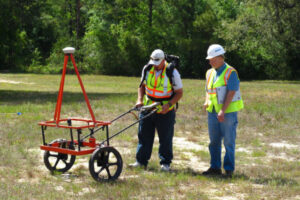
Identifying USTs usually requires a combination of historical research and physical investigation. Environmental professionals often review old maps, permits, and aerial photographs to determine whether a tank may have been installed on a site. Ground-penetrating radar and other subsurface imaging technologies can also help locate buried tanks without excavation. In some cases, exploratory digging is necessary for confirmation.
The Role of Environmental Site Assessments
A Phase I Environmental Site Assessment is one of the most common tools used to identify potential USTs. During this process, environmental consultants evaluate historical property use and inspect the site for signs of contamination or buried infrastructure. If a potential tank is identified, a Phase II assessment may be recommended, which involves soil and groundwater testing to determine whether a leak has occurred.
What Happens When a Tank Is Discovered
If an underground storage tank is found on a property, the next step is usually to assess its condition and determine whether it is active, abandoned, or leaking. Active tanks must comply with regulatory standards, while abandoned tanks often need to be properly removed. If contamination is present, a cleanup plan may be required to remediate affected soil and groundwater before the property can be safely used or developed.
Tank Removal and Remediation Process
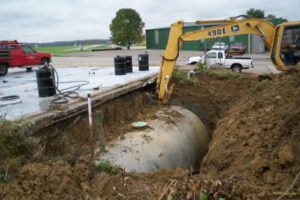
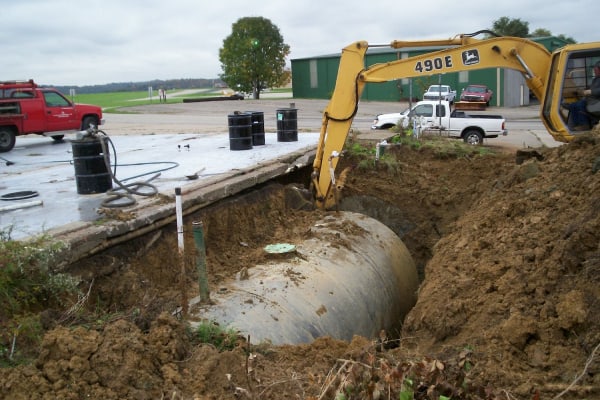
Removing an underground storage tank involves excavation and careful handling to prevent further environmental damage. Once the tank is exposed, it is cleaned, removed, and disposed of according to environmental regulations. Soil testing is typically conducted afterward to determine if contamination has spread. If pollutants are detected, remediation methods such as soil excavation, vapor extraction, or groundwater treatment may be necessary.
Regulatory Requirements and Compliance
USTs are regulated by federal and state environmental agencies, which require proper installation, monitoring, and closure procedures. Property owners are responsible for ensuring compliance with these regulations, even if they were not the original installers of the tank. Failure to properly manage a UST can result in fines, legal liability, and cleanup costs that can become very expensive over time.
Financial and Legal Implications for Property Owners
Underground storage tanks can significantly impact property value and liability. If contamination is discovered, property owners may be responsible for cleanup costs, which can be substantial. This is especially important during property transactions, as buyers may require environmental assessments before purchasing land. Identifying and addressing USTs early can help avoid legal disputes and financial losses.
Preventing Future Environmental Hazards
The best way to prevent issues with underground storage tanks is through proper documentation, regular inspections, and professional environmental assessments during property transactions. When tanks are no longer needed, they should be properly decommissioned and removed according to regulatory guidelines. Taking proactive steps helps protect both the environment and long-term property value.
Understanding and Managing Hidden Risks
Underground storage tanks are often out of sight, but they should never be out of mind. Their potential to cause serious environmental damage makes them an important consideration in real estate, construction, and property management. By learning how to spot warning signs, conducting proper assessments, and following regulatory procedures, property owners and developers can effectively manage these hidden hazards and protect their investments.