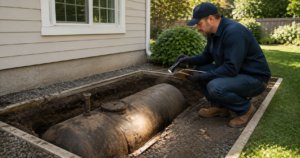
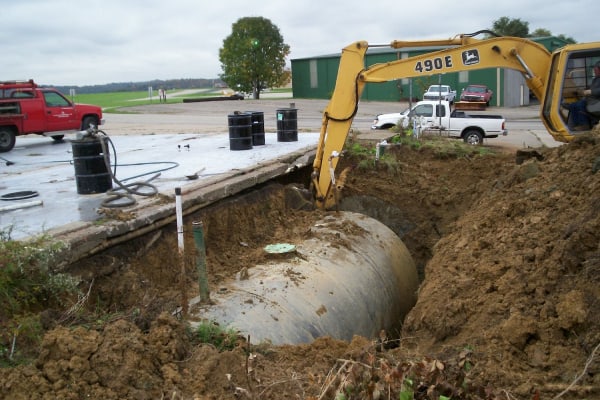
Purchasing a property is a major investment, and understanding potential environmental concerns before closing is essential. One issue that can significantly impact a property’s value, safety, and future costs is the presence of underground storage tanks (USTs). These tanks may have been used for storing heating oil, gasoline, diesel fuel, or other substances, and older or poorly maintained tanks can create environmental and financial challenges. Before buying a property with underground storage tanks, it is important to understand their condition, history, and potential risks. Taking the proper steps before completing a purchase can help buyers make informed decisions and avoid unexpected expenses.
Understand What Underground Storage Tanks Are
Underground storage tanks are containers installed below ground that are commonly used to store petroleum products and other chemicals. Many properties, especially older homes, commercial buildings, and industrial sites, may have underground tanks that were installed decades ago. While properly maintained tanks can operate safely, aging systems may develop leaks, corrosion, or structural issues that create environmental concerns.
Determine the Tank’s Purpose and History
Before purchasing a property with an underground storage tank, learn what the tank was used for and how long it has been in place. A tank that stored heating oil may present different concerns than one that held gasoline or hazardous substances. Reviewing installation records, maintenance documents, and previous ownership information can provide valuable insight into the tank’s condition and potential risks.
Check for Proper Documentation
Documentation is an important part of evaluating an underground storage tank. Ask the seller for records related to installation, inspections, repairs, fuel usage, and removal history if applicable. Some locations require underground tanks to be registered or monitored, so reviewing available paperwork can help confirm whether the tank meets current regulations. Missing records may indicate that additional investigation is needed.
Identify Whether the Tank Is Active or Abandoned
Not all underground storage tanks are currently in use. Some properties contain abandoned tanks that have been left underground after they were taken out of service. Abandoned tanks can still pose risks if they were not properly closed or removed. Buyers should determine whether the tank is active, inactive, or abandoned and understand what steps may be required to address it.
Inspect the Tank Before Purchasing
A professional inspection is one of the most important steps when buying a property with an underground storage tank. Qualified inspectors can evaluate the tank’s condition, check for signs of corrosion or damage, and determine whether it appears to be functioning safely. A thorough inspection provides buyers with important information before committing to the purchase.
Consider Environmental Testing
If there is a possibility that a tank has leaked, environmental testing may be recommended. Soil and groundwater testing can help identify whether petroleum products or other contaminants have affected the surrounding area. Contamination discovered after a purchase can result in expensive cleanup requirements, so identifying potential problems before closing can help buyers avoid unexpected liability.
Understand the Risks of Leaking Tanks
Leaking underground storage tanks can create serious environmental concerns. Petroleum products and chemicals can migrate through soil and potentially affect groundwater, nearby properties, and ecosystems. Cleanup efforts may involve soil removal, groundwater treatment, or long-term monitoring, all of which can become costly. Understanding these risks allows buyers to evaluate whether the property remains a worthwhile investment.
Learn About Local Regulations
Requirements for underground storage tanks vary depending on location. Some areas have specific rules regarding registration, inspection, monitoring, removal, and cleanup procedures. Buyers should research local environmental regulations or consult with professionals who understand the requirements in the property’s area. Being aware of these obligations helps prevent compliance issues after purchase.
Evaluate Removal Versus Leaving the Tank in Place
If an underground storage tank is no longer needed, buyers may need to decide whether it should be removed or properly abandoned according to regulations. Removal involves excavating and disposing of the tank, while closure may involve emptying, cleaning, and filling it with approved materials. The best option depends on the tank’s condition, location, regulations, and future plans for the property.
Consider the Financial Impact
The costs associated with underground storage tanks can vary widely depending on their condition and any required remediation. Expenses may include inspections, testing, removal, repairs, or environmental cleanup. Buyers should factor potential costs into their purchasing decision and may consider negotiating with the seller for repairs, credits, or other agreements before finalizing the transaction.
Review Insurance Options
Standard property insurance policies may not always cover issues related to underground storage tanks or environmental contamination. Buyers should discuss coverage options with insurance professionals to understand what protections are available. Specialized coverage may be beneficial in certain situations, especially for properties with older tanks or known environmental concerns.
Work with Experienced Professionals
Buying a property with an underground storage tank requires careful evaluation from qualified professionals. Environmental consultants, tank inspectors, real estate professionals, and legal advisors can provide valuable guidance throughout the process. Their expertise helps buyers understand potential risks, comply with regulations, and make informed decisions based on accurate information.
Include Environmental Due Diligence in the Buying Process
Environmental due diligence should be part of the overall property evaluation process, especially when underground storage tanks are involved. Similar to reviewing the building structure, financial records, and legal documents, assessing environmental conditions helps provide a complete picture of the investment. Taking these steps before purchasing reduces uncertainty and helps protect the buyer’s financial interests.
Make an Informed Property Investment
An underground storage tank does not automatically mean a property is a bad investment, but it does require careful consideration. Understanding the tank’s history, condition, regulatory requirements, and potential environmental risks allows buyers to move forward with greater confidence. By conducting inspections, reviewing documentation, and working with qualified professionals, purchasers can identify potential issues before they become costly problems. Proper research and preparation are key to making a smart real estate decision and protecting the long-term value of the property.