Lead-based paint has been a common feature in many homes built before 1978. While it may appear harmless, lead exposure can pose serious health risks, particularly for children and pregnant individuals. For homeowners and renters in New Jersey, understanding the dangers of lead-based paint, recognizing where it may exist, and knowing the state and federal regulations is essential to maintaining a safe living environment. This blog explores the key risks, guidelines, and best practices for dealing with lead-based paint in NJ homes.
Understanding Lead-Based Paint
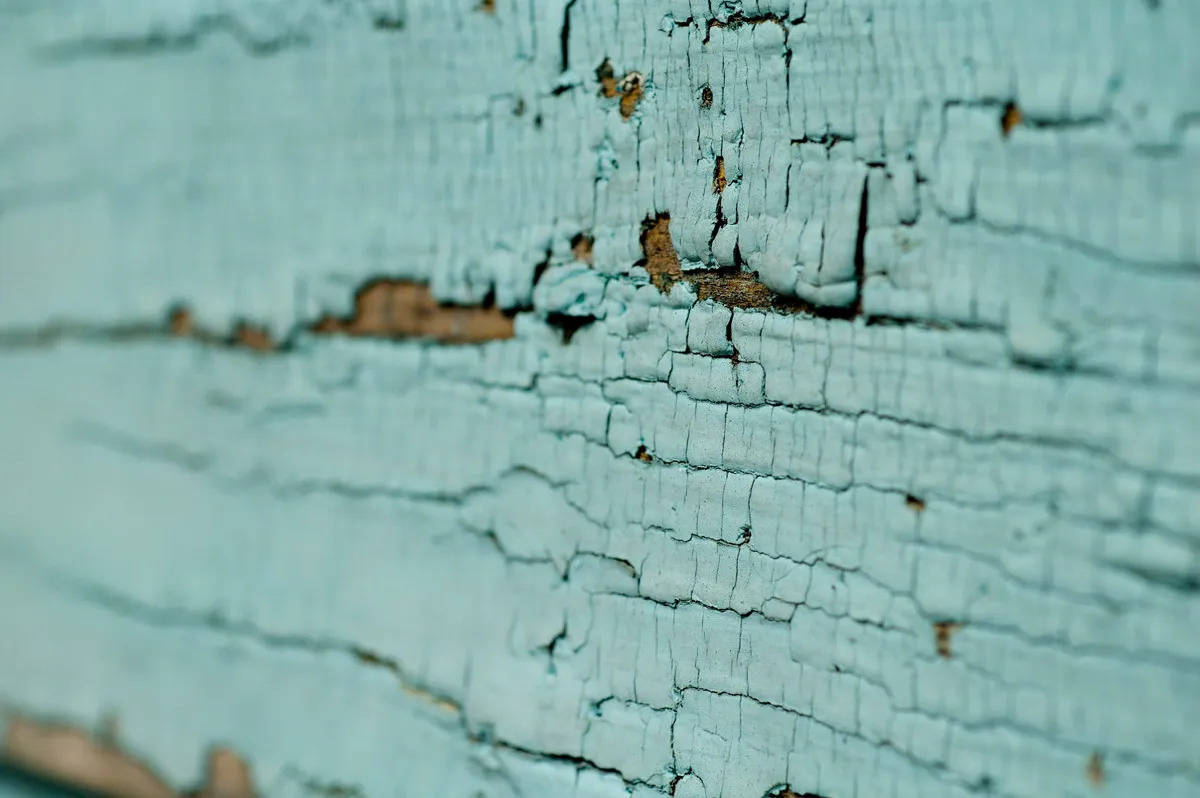
Lead-based paint contains lead particles that, when ingested or inhaled, can cause significant health problems. Older homes, especially those built prior to the late 1970s, are the most likely to contain lead paint. While lead is often hidden beneath layers of newer paint, deterioration, chipping, or renovation activities can release harmful dust or chips into the home environment. Recognizing the presence of lead is the first step toward protecting your family and property.
Health Risks Associated with Lead Exposure
Lead exposure can have serious and long-lasting health effects. Children are particularly vulnerable, as lead can affect brain development, cause learning difficulties, and contribute to behavioral issues. Pregnant women exposed to lead may experience complications, and adults can develop high blood pressure, kidney problems, or reproductive issues. Even small amounts of lead dust can pose risks, making proper precautions critical for anyone living in or renovating older homes.
Identifying Lead-Based Paint in Your Home
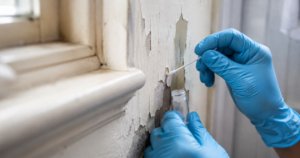
The safest way to confirm the presence of lead-based paint is through professional testing. Certified lead inspectors or risk assessors in New Jersey can evaluate surfaces and provide accurate results. Homeowners and landlords should be cautious of areas with peeling, chipping, or flaking paint, as these conditions increase the likelihood of lead exposure. DIY testing kits are available but may not always provide precise or comprehensive results, making professional assessment the preferred choice.
Regulations for Homeowners and Landlords in New Jersey
New Jersey follows federal guidelines established by the Environmental Protection Agency (EPA) and the U.S. Department of Housing and Urban Development (HUD) for lead safety. The Lead-Based Paint Hazard Reduction Act and the Residential Lead-Based Paint Hazard Reduction Act require landlords and sellers of homes built before 1978 to disclose known lead hazards to tenants and buyers. Homeowners performing renovations that may disturb lead paint must follow lead-safe work practices, including containment, proper cleanup, and certified contractor use for significant projects.
Responsibilities of Tenants in NJ
Renters also have a role in maintaining a safe living environment regarding lead. Tenants should be aware of any disclosures provided by landlords and report peeling or chipping paint immediately. While tenants cannot be held responsible for the original lead paint in a property, they must cooperate with landlords during lead hazard mitigation or renovations. Understanding your rights and responsibilities helps prevent exposure and ensures compliance with state and federal regulations.
Safe Renovation and Removal Practices
Removing or disturbing lead-based paint requires caution. Improper removal methods, such as sanding or dry scraping, can release dangerous lead dust into the home. Certified lead abatement professionals are trained to handle removal safely, using containment systems, protective equipment, and thorough cleanup procedures. For smaller projects, interim controls like encapsulation, covering lead surfaces with special paint or coatings, can provide a temporary barrier until full remediation is performed.
Preventing Lead Exposure in Everyday Life
Even if a home contains lead paint, there are steps homeowners and renters can take to minimize risk. Regular cleaning of floors, window sills, and other surfaces with damp cloths or mops can reduce lead dust accumulation. Avoiding chewing on painted surfaces, keeping children away from peeling paint, and washing hands after playing outside or handling older painted items are effective preventive measures. Maintaining painted surfaces in good condition is one of the simplest ways to reduce lead hazards.
Financial Assistance and Resources
New Jersey offers resources and financial assistance for lead hazard reduction. Programs like the New Jersey Childhood Lead Poisoning Prevention Program provide guidance, testing services, and sometimes funding for remediation in eligible households. Federal grants and state programs may also help homeowners or landlords cover the costs of professional lead abatement. Consulting local health departments can provide information about available resources and recommended contractors.
Lead-based paint remains a significant concern for homeowners and renters in New Jersey, especially in older properties. Understanding the health risks, identifying areas with lead, and adhering to state and federal regulations are crucial steps in maintaining a safe living environment. By taking precautions, seeking professional guidance, and staying informed about lead safety measures, families can protect their health and ensure that their homes remain safe for everyone. Awareness, prevention, and responsible management of lead-based paint hazards are key to creating a secure and healthy home.
This comprehensive understanding empowers NJ residents to take control of lead-related risks, ensuring both compliance and the wellbeing of everyone in their household.