
When buying, selling, or developing property, understanding environmental risk is essential. A Phase I Environmental Site Assessment (ESA) is a key due diligence step that helps identify potential environmental concerns on a property before a transaction moves forward. For both sellers and developers, this assessment provides valuable insight into possible contamination issues, regulatory risks, and long-term liabilities. By completing a Phase I ESA early, stakeholders can make more informed decisions and avoid costly surprises later in the process.
What a Phase I Environmental Site Assessment Includes
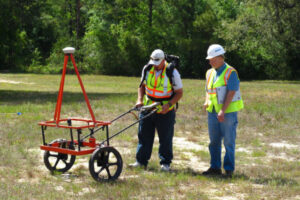
A Phase I ESA is a non-intrusive investigation of a property’s current and historical use. It typically includes a site inspection, review of historical records, analysis of aerial photographs, and interviews with current or past owners or occupants. The goal is to identify any “recognized environmental conditions” that could indicate contamination or environmental risk. Because it does not involve physical sampling, it is a fast and cost-effective first step in environmental due diligence.
Reducing Risk for Sellers Before Listing a Property
For property sellers, completing a Phase I ESA before listing a site can help identify potential issues early. If environmental concerns are discovered, sellers have the opportunity to address them before negotiations begin. This can prevent delays during the sales process and reduce the risk of deals falling through. It also demonstrates transparency, which can increase buyer confidence and improve the likelihood of a successful transaction.
Improving Property Marketability
A property with a completed Phase I ESA is often more attractive to potential buyers and developers. It signals that the seller has taken proactive steps to evaluate environmental risk, which can streamline the due diligence process. Buyers are more likely to proceed with a property that already has environmental documentation, especially in competitive real estate markets. This can lead to faster sales and potentially stronger offers.
Helping Developers Avoid Costly Surprises
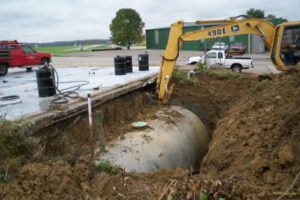
For developers, environmental issues discovered after purchasing land can significantly impact project timelines and budgets. A Phase I ESA helps identify risks such as underground storage tanks, hazardous materials, or previous industrial use that may require cleanup. By uncovering these issues early, developers can adjust their plans, negotiate pricing, or walk away from high-risk properties before committing significant resources.
Supporting Financing and Lending Requirements
Many lenders require a Phase I ESA before approving financing for commercial or development projects. This is because lenders want to minimize risk associated with environmental liabilities that could affect property value. Having a completed assessment can make it easier to secure loans and move projects forward without unnecessary delays. It also provides reassurance to financial institutions that the property has been properly evaluated.
Limiting Legal and Financial Liability
One of the most important benefits of a Phase I ESA is liability protection. Under environmental regulations, property owners can be held responsible for contamination, even if they did not cause it. Completing a Phase I ESA can help establish “innocent landowner” or “bona fide prospective purchaser” defenses under certain legal frameworks. This can significantly reduce long-term legal and financial exposure.
Identifying Environmental Conditions Early
Early identification of environmental issues allows for better planning and risk management. If concerns are found during a Phase I ESA, a Phase II assessment involving soil or groundwater testing may be recommended. This staged approach helps stakeholders understand the full scope of potential problems before making major financial commitments. It also ensures compliance with environmental regulations.
Enhancing Negotiation Power
Environmental findings from a Phase I ESA can also be used as a negotiation tool. Buyers may request price reductions or remediation commitments if risks are identified. Conversely, sellers who provide a clean assessment can justify stronger pricing and smoother negotiations. In both cases, having detailed environmental information improves transparency and supports fair deal-making.
Supporting Responsible Development Practices
Developers today are increasingly expected to follow environmentally responsible practices. Conducting a Phase I ESA aligns with sustainable development goals by ensuring land is safe and suitable for its intended use. It also helps prevent redevelopment of contaminated sites without proper remediation, contributing to healthier communities and better long-term land use planning.
Providing Peace of Mind for All Parties
Ultimately, a Phase I Environmental Site Assessment provides peace of mind for everyone involved in a real estate transaction. Sellers gain confidence that they are disclosing property conditions accurately, while developers and buyers can move forward knowing they have a clear understanding of environmental risks. This shared transparency helps build trust and reduces uncertainty throughout the transaction process.
A Smart Step in Any Real Estate Transaction
Whether you are selling a commercial property or planning a new development project, a Phase I ESA is a smart and often essential step. It helps identify risks, supports financing, reduces liability, and improves overall decision-making. By investing in environmental due diligence early, sellers and developers can protect their interests and ensure smoother, more successful real estate transactions.